

Routine visit planning

Will a wellness visit be reimbursed?

Read the appointment as an itemized bill: exam, tests, vaccines and any treatment may follow different payment rules.

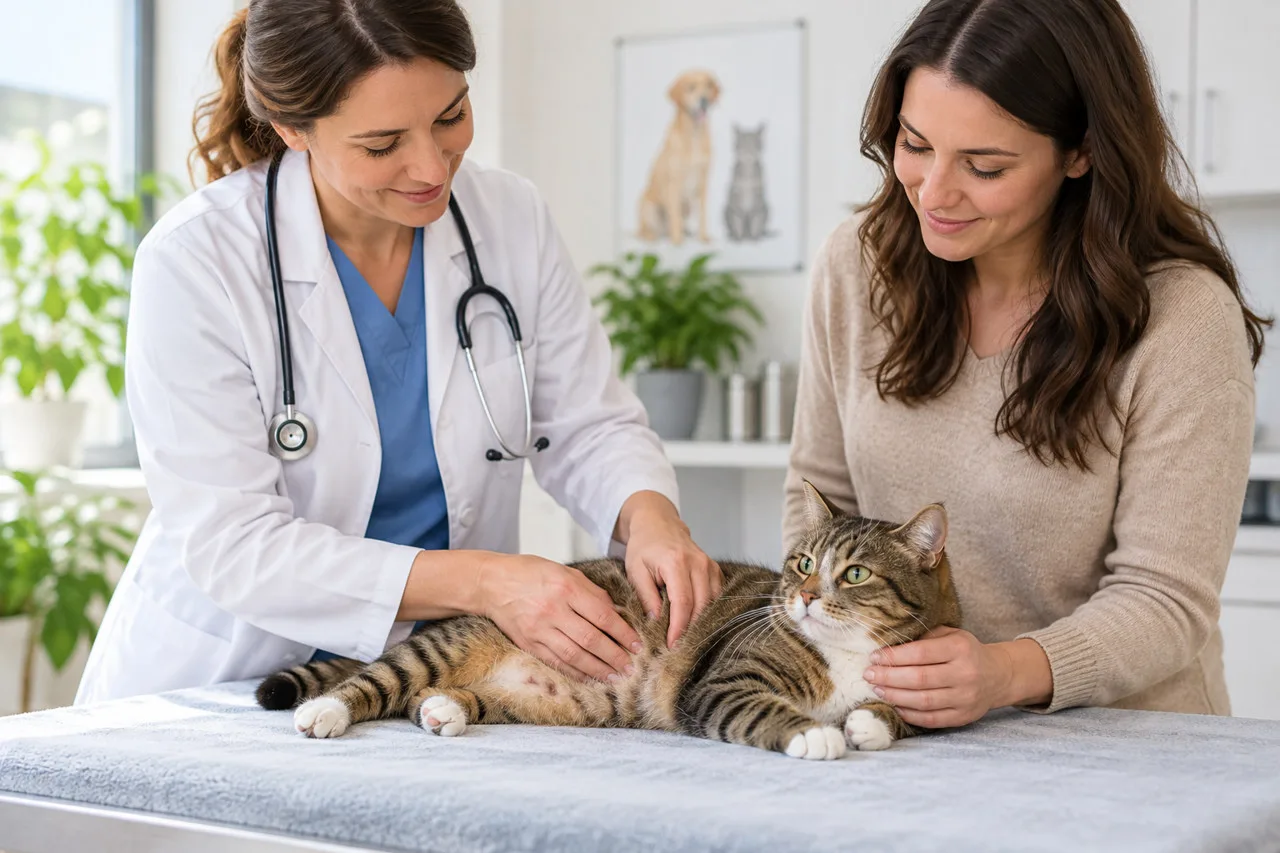
Veterinarian examining a tabby cat gently supported by its owner
✓ Policy-first ✓ Independent ✓ Useful checks
Direct answer
A healthy-pet wellness visit usually needs a routine-care benefit or wellness arrangement; accident-and-illness insurance alone is not a reliable way to pay for it. Check the allowance for the exam itself and for each other service. An illness exam-fee add-on does not automatically cover an annual checkup.
What to know

One appointment can create several bill lines

Veterinarian holding a syringe beside a dog supported by its owner
A visit can contain separately priced services; match each one to the benefit schedule.
At the visit Question for the benefit schedule
Routine physical examination Is the exam fee a listed benefit, and is payment limited by dollars, visit count or both?
Vaccination Is that vaccine eligible, and how many doses can be reimbursed during the benefit term?
Blood, urine or parasite test Is the specific screening test listed, and does it share a combined allowance with other tests?
A symptom needs investigation Does that part of the visit move to medical coverage, with different exclusions and cost sharing?

Ask the clinic for an itemized estimate and the insurer for the applicable schedule. The total invoice is not the same thing as the eligible reimbursement. A plan advertising a large annual wellness maximum may allocate only a small part of it to the examination.

What to know

Let the care plan determine the visits

AAHA recommends routine veterinary care at least annually, with more frequent visits for senior pets and pets with chronic health issues. Your veterinarian can set an appropriate schedule for your animal. An insurance allowance is a payment limit, not a medical recommendation.

If two checkups are expected, a benefit limited to one wellness examination may leave the second examination fee to you. Conversely, an unlimited-visit label does not establish that every laboratory test, vaccine or medication at those appointments is unlimited. Look at each line rather than applying the exam label to the whole invoice.

How it works

How a real routine-care offer can differ

The company says options vary by state and that the quote shows the versions available to the pet. Treat those descriptions as starting points, not the benefit schedule for an unquoted policy.

For example, a household needing repeated exams should investigate the exam frequency first, then the testing limits. A household needing just a planned annual visit may care more about whether the actual exam charge exceeds the scheduled reimbursement. Neither situation establishes that an add-on will save money.

Do not buy a dental, spay/neuter or grooming benefit on the strength of a broad wellness label. Those services can be absent, separate or state-specific. This guide is about wellness visits; review additional services only if they are actually part of the proposed care.

What to know

When a checkup finds a problem

Tell the veterinarian about any symptoms rather than trying to preserve a “wellness” billing category. Ask the insurer how it handles a visit that begins as routine care but leads to diagnostic work or treatment. The clinical reason for each service and the contract’s definitions may affect which benefit, if any, applies.

Keep the itemized receipt and clinical notes. If a reimbursement is smaller than expected, compare the explanation with the specific exam or test allowance, the remaining benefit and the stated reason for the service. Ask for clarification about the disputed line; an entire visit need not have one simple label.

What to know

Decide whether the extra payment is useful

Use the clinic’s proposed services, not every benefit in the brochure. List what you would obtain anyway, its estimated price and the amount the schedule could actually reimburse. Add those usable amounts, then compare them with the full cost of adding wellness for the term.

For a hypothetical visit, an $85 exam reimbursed up to $50 still leaves $35 of that exam charge with you. A separate $40 allowance cannot automatically be moved into the exam line just because you do not use it. The numbers here demonstrate a scheduled benefit; they are not an insurer’s current schedule.

If the benefit and added cost are close, consider payment timing, claim effort and whether unused allowances expire. Paying the clinic directly may be simpler. Keep accident-and-illness protection in a separate decision so a routine visit allowance does not hide gaps in protection against unexpected illness.

Evidence

Sources and policy context

These public references support the consumer or veterinary context. Named insurer details were checked in official product materials; the policy offered for your pet and state determines the actual terms.

Next step

Compare Current Pet Insurance Rates

Check current options for your pet and location, then compare the policy details, exclusions, costs, and eligibility before choosing.

Compare the policy before you choose Check the actual offer, exclusions and out-of-pocket terms.
See Rate Options